
Spend Less on Groceries
Disclosure: This post may contain affiliate links or paid partnerships. I may earn compensation if you click a link or make a purchase, at no additional cost to you. See my disclosure for more information.
Grocery prices are out of control and everyone needs to eat. Consumers are making trade offs to keep budgets in check. Everyone has their own preferred grocery stores and menus, so this post will focus on strategies rather than establishments.
The first hack I use is LadySavings.com. It’s a free site that posts weekly sales flyers about a week before the sales actually begin.
They have moles in the print business take clandestine photos of the flyers, before they are distributed to the stores and consumers. Sometimes you can see their shadows in the photos they take. It’s all Spy vs. Spy MAD magazine stuff.
What this allows you to do is comparison shop with various stores in your area to see who has the best deals days in advance. It gives you time to plan menus ahead of time using ingredients that are on sale. And it’s not just grocery stores, they have ads for drugstores, hardware stores, dollar stores, etc.
Using this site also allows me to keep my gasoline costs down. You have to weigh out the benefit of driving to multiple grocery stores to pick up various deals. Sometimes it may be worth it, but sometimes you may be spending more on gasoline than you save on a few items purchased at three or four different stores.
Understand the Grocery Business From the Inside Out
Grocery stores generally rotate products on a 6-week to 12-week sales cycle. Most items in the store hit their lowest discount quarterly. Once you see this you can almost predict when something will be on sale again. When an item you want is on discount, buy multiples and stock up enough to see you through to the next sales cycle. Let’s look at different categories:
Fresh Produce - Weekly sales on fruits and vegetables that are in season. Locally harvested will be steepest in discount when at peak local supply.
Meat and Seafood - Sales every 4 to 6 weeks. Staples like ground beef, chicken, and pork chops used to rotate through sales cycles roughly once a month. It feels like there are fewer and fewer sales in this category though. If you see a Buy One Get One (BOGO), buy multiples and throw them in the freezer. Higher end meats and seafood go on sale during grilling season, Father’s Day, and major winter holidays.
Pantry Staples and Processed Foods - Sales every 6 to 12 weeks. Food like pasta, cereal, canned goods, and condiments drop to their lowest price points every 12 weeks. When it is on sale, I buy enough to last for three months.
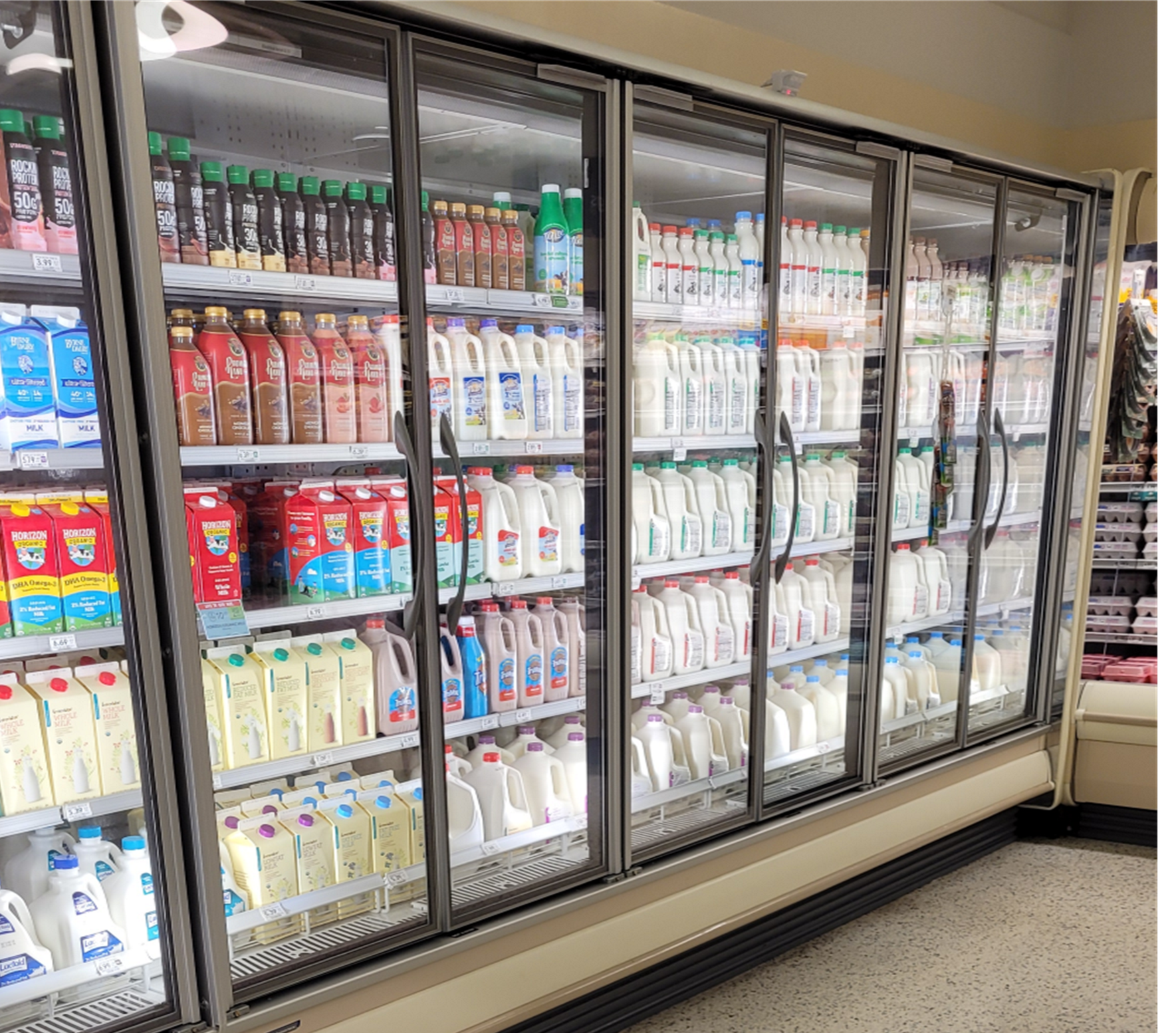
Dairy and Breakfast - Sales every 4 weeks. Milk, cheese, and yogurt have more limited shelf lives so the sales frequency is higher. June has a bunch of sales as it is National Dairy Month — cows produce a surplus of milk in the summer months. If you want to stock up double check the expiration dates before doing so as many stores put stock on sale that may be expiring soon.
Cleaning and Paper Goods - Sales every 12 weeks. Non-perishable household items tend to have longer cycles but have the deepest discount during spring cleaning months in March/April and during back to school season in August.
Understand the layout of the stores are to get you to feel at home and spend more. Unexpected 80s dance-pop and soft rock jams aka ‘grocery store bangers’ are there to entertain you as you push your cart around. My local grocery likes to play ‘Things Can Only Get Better’ by Howard Jones. Appropriate for what they are charging these days. If you shop only the periphery of the store, you can get the healthiest, least branded food. Produce, meat and dairy all are on the outer back walls of the store spread out from each other. This forces you to walk through the whole store where they have plenty of endcap displays loaded with impulse buys meant to entice you. In-store bakeries bake bread and cookies and the delis fry up chicken around 5:00 PM to get weary workers impulse shop with empty stomachs.
Watch out for these ‘dirty tricks’:
Somes stores inflate baseline prices so the weekly discounted items seem like better deals than they really are.
Some sale items are for very specific weights only. If you want that sliced American cheese, make sure you pick up the 12.4 ounce package on sale in the flyer and not the 16 ounce package on the shelf right next to it.
You bought the correct sale items but they rang up at full price. Take one minute in the parking lot to go over your receipt to make sure you didn’t get overcharged. I have gone back to the customer service desk quite a few times to get money back from overcharges.
Strategies at Home to Reduce Food Costs
Use the LadySavings.com site to see what is on sale.
Check your fridge and pantry to see what you have on hand first to avoid buying duplicates. If there is anything changing color or growing fuzz toss it and wipe down the bin or shelf with a vinegar/water mixture. Don’t put new food on a dirty shelf.
When making your list, add any items that are on a rotational sale that you may need in the next 4, 6, or 12 weeks.
Plan meals around what is in season or on sale.
If you are shopping for a family favorite recipe, consider batch cooking and putting some in the freezer for some super busy weeknight when you would be tempted to eat out.
Stick to your list as much as possible. Remember it is the store’s job to get you to buy impulse items. Eat a full meal or snack before you go in, never shop hungry.
Consider buying generic store brands instead of name brands. You won’t notice if it is an ingredient like pasta or canned stewed tomatoes.
Once a week clear out the fridge and make soup, stir-fry or pasta dishes with the leftovers from previous meals. If you have leftover vegetables, put them in a gallon size plastic baggie and throw them in the freezer. When the bag is about half full, its time to make soup! Add a protein and a starch and you have a great meal without any food waste. (My go-to soup recipe included below.)
Minimize food waste by shopping strategically following the ‘3-3-3 rule’: buy only three vegetables, three fruits, and three proteins per week.
Change What You Eat
It’s highway robbery for beef these days. We will buy ground beef and stew meat on a regular basis but that’s it. Otherwise, it is chicken, fish, pork and tofu on the regular. It’s ham, turkey, or steak only for special celebrations or holidays.
Stretch meat out in recipes so it is not the main event. Open a can of refried beans on Taco Tuesday. Make a chicken casserole, or a chowder with lots of onion, celery, and potatoes and a handful or two of ham or seafood.
Add plant-based proteins to your diet like tofu, beans and lentils. Beans and rice together are a complete protein.
If you are constantly throwing away bad fruits and vegetables, consider buying frozen instead. They are usually cheaper, always on hand when you need them, and flash frozen at peak ripeness.
Once a quarter commit to a no-buy week by forcing yourself to prepare meals using only what you have in your house. This will force you to look thoroughly in the back corners of your freezer and pantry.
Change How You Shop
The old standard advice was to shop for non-perishables at warehouse stores. My family is now going to them 2-3 times a month for the perishables as well. There is such a big difference in pricing for things like milk ($3 instead of $5), eggs, yogurt, butter, and meat. We buy our beef, chicken and pork there and repackage at home for freezer storage. We buy our frozen fruits and vegetables in bulk: broccoli, green beans, berries. Fresh fruit is cheaper than grocery stores: bananas, apples, oranges, potatoes, bell peppers, and onions. Shelf stable items we buy on the regular: oatmeal, almond flour, sugar, wheat flour, and coffee. We buy whole bean coffee in four pound bags when it is on sale and grind what we need for the week and freeze the rest. Yes, there is a $60/year membership attached, but they have cheap gas, home goods/furniture, pet items, a pharmacy, clothing, etc. No store near you? They also have a thriving mail order business.
You may ask what do I buy at my local grocery store? Until they get less greedy and play better with the U.S. consumer, not much. I stock up on the on Buy One Get One (BOGO) sales, perhaps some small quantity of seasonal fruit, or a treat from the bakery or deli.
Some folks say they leverage cash-back apps like Ibotta or Fetch Rewards to earn money back on digital grocery receipts. I haven’t done this yet but plan to look into it.
Do you have a grocery savings tip you would like to share? Head over the Find A Work Around Facebook Group site and share!
FAWA Chicken Soup (Soon to be your new favorite chicken soup recipe!)
2 Tablespoons butter
½ cup chopped onion
½ cup chopped celery
1 cup sliced carrots
9 cups chicken broth (I use Better Than Boullion stock concentrate)
1 ½ cups egg noodles
Leftover vegetables from freezer
8 ounces chopped cooked chicken breast
1 teaspoon dried basil
1 teaspoon dried oregano
salt and ground black pepper to taste (I use 1 teaspoon salt and ½ teaspoon pepper)
Make the ‘Trinity’. Melt butter in a large pot over medium heat. Add carrots, onion and celery; cook until just tender, about 5 minutes.
Stir in chicken broth, egg noodles, chicken, carrots, basil, oregano, salt, and black pepper to combine; bring to a boil.
Reduce heat; simmer for 20 minutes.
Serve and enjoy!
